Newsletter

Capacity Building for Transitional Justice and Peacebuilding in Africa

Violence has left a lasting mark on many African countries, revealing the urgent need for effective approaches to healing and rebuilding. With the ongoing conflicts within countries in the SAHEL and west-, southern and east African regions, the scars of history underscore the importance of transitional justice and peacebuilding initiatives. The violence that has affected countries across Africa points towards the need the importance of capacitating communities, on the African Union Transitional Justice Policy (AUTJP).

By |2023-12-14T12:21:24+02:0010th October 2023|News, Newsletter|

Exploring the Complexities of Mozambique’s Insurgency: Insights from Community Perspectives

Mozambique, a country grappling with a persistent insurgency, has become the second case study for the OSISA project, titled "Shifting Narratives on Violent Extremism in Africa." As part of this project, the objective of a recent trip was to delve into community perspectives on the root causes of the insurgency, evaluate current approaches to addressing extremism, and analyse the potential for innovative strategies, including aspects of transitional justice. This article presents the key findings and takeaways from the research conducted in Mozambique's Cabo Delgado province.

By |2023-10-18T10:15:12+02:0010th October 2023|News, Newsletter|

Building Brics for a Multipolar World Order

The recent successful 15th BRICS Summit held in Johannesburg, South Africa, has established the foundation for the emergence emergence of a multipolar world order. African countries have been arguing and agitating for a transformation of the multilateral system to reflect the realities of the twenty-first century. There were more than 42 countries officially expressing an interest in joining the BRICS grouping and the recent inclusion of six, Argentina, Egypt, Ethiopia, Iran, Saudi Arabia and United Arab Emirates (UAE), which includes major members of the Organisation of Petroleum Exporting Countries (OPEC), is an indication that the formation is open to future expansion.

By |2023-10-18T10:15:48+02:0010th October 2023|News, Newsletter|

Observing Women’s Day in South Africa: Acknowledging Progress and Igniting Transformation

Annually, on August 9th, South Africa joins in unity to commemorate Women's Day. This day holds deep historical and cultural significance, paying tribute to the bravery, resilience, and strength of women across the nation. Beyond its role as a mere public holiday, Women's Day in South Africa stands as a compelling reminder of the ongoing struggle for gender equality and the continuous efforts required to foster an equitable and all-encompassing society.

By |2023-10-18T10:16:41+02:0010th October 2023|News, Newsletter|

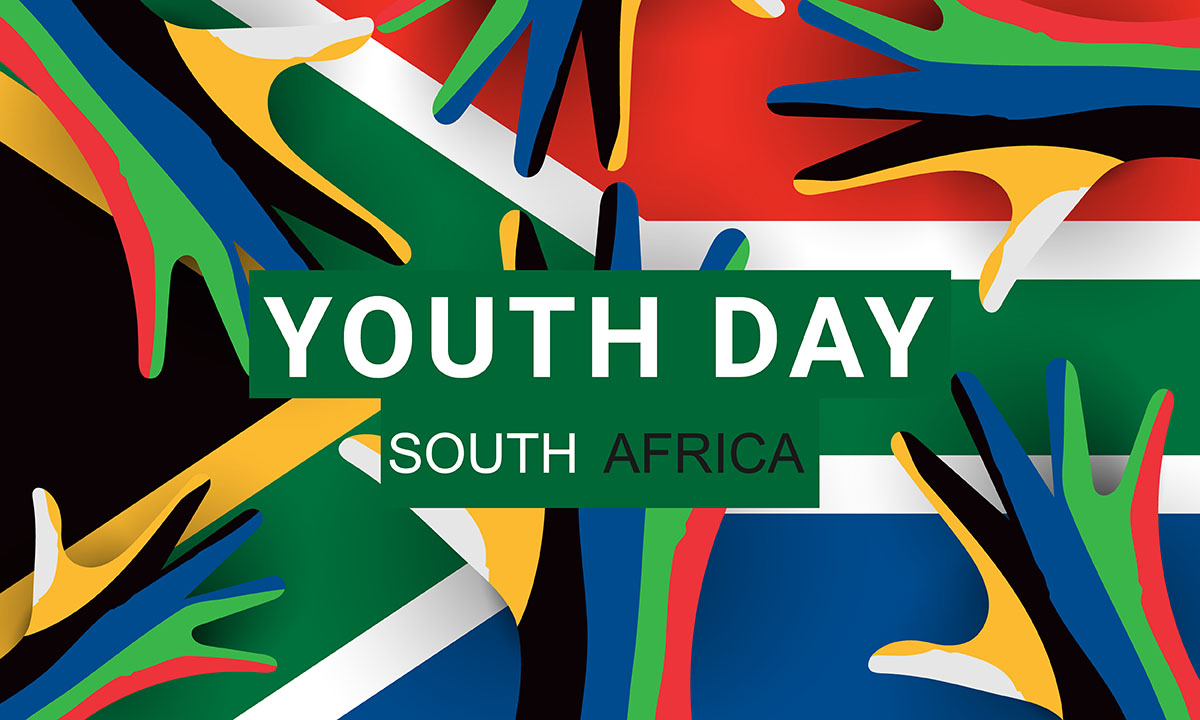
Youth Day – 16 June 2023: Celebrating the Spirit of Our Youth

June 16th marks a significant day in the history of South Africa as the nation comes together to commemorate Youth Day. This day serves as a powerful reminder of the bravery and resilience of the country's youth in the face of adversity. It is a day that not only honors the past but also ignites hope for a brighter future. Let us reflect on the significance of Youth Day in South Africa and the enduring impact it has on the nation.

By |2023-06-23T10:43:07+02:0019th June 2023|Newsletter|

Fostering identity and belonging: Preserving cultural heritage in Calitzdorp

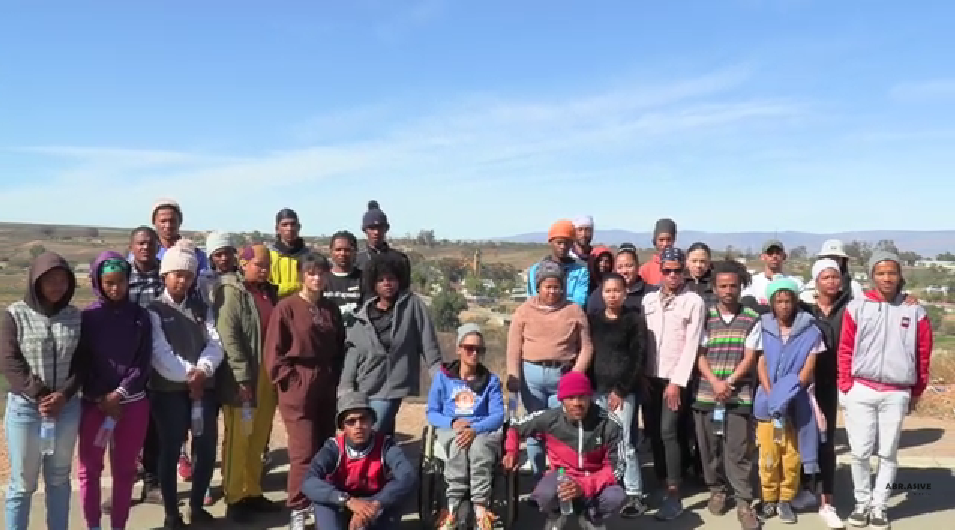
My name is Jo-Andri Shereldine Antonie, and I come from the small town of Calitzdorp in the Western Cape. As the youngest ambassador for the Institute for Justice and Reconciliation, I am deeply involved with the youth in my community, teaching them the Ikhaba râ, also known as the Rieldans. This indigenous dance holds great significance for me as it connects us to our Khoi and San ancestors. Despite the challenges we face as a community, the Rieldans is a unique aspect of our heritage that I am determined to preserve.

By |2023-06-23T10:43:18+02:0019th June 2023|Newsletter|

Despite growing evidence, climate change is still unknown to many South Africans

In recent years, South Africa has experienced several catastrophic climate-related events, such as floods, droughts, and fires. Climate change is having an impact on South African ecosystems, economies, and livelihoods, despite the country’s status as the most developed economy in the Southern African Development Community. In response, the national government has approved critical actions that prioritise climate mitigation and adaptation strategies, emissions reductions, and waste management.

By |2024-05-21T12:23:07+02:0019th June 2023|Newsletter|
Go to Top