Newsletter

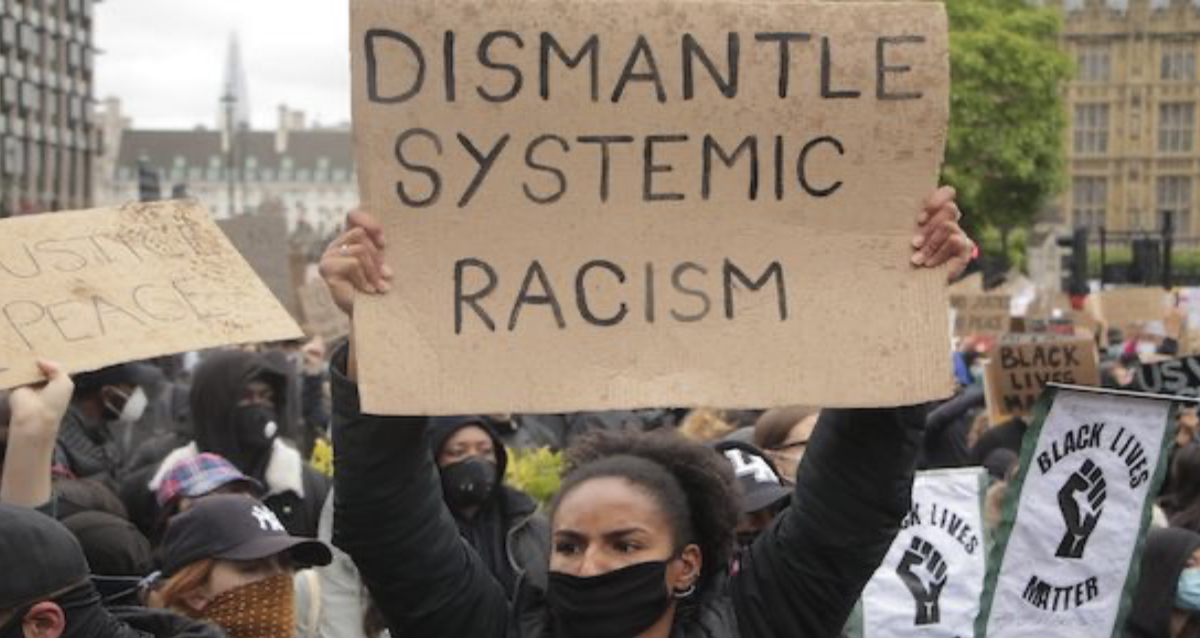
Covid-19 and the enduring legancies of systemic racism

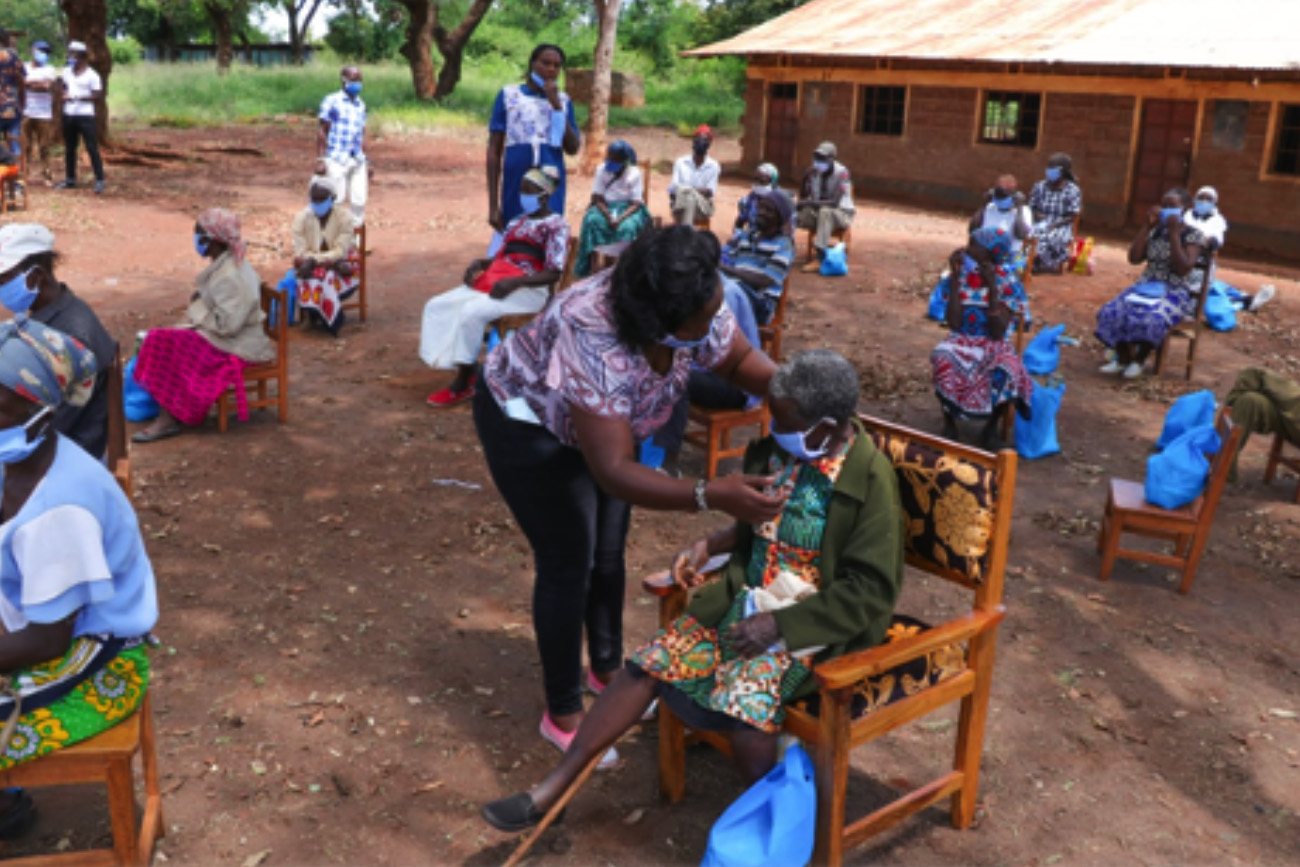
Covid-19 has exacerbated South Africa’s most pressing socioeconomic inequities. Worsening inequality, a rising cost of living, systemic corruption, high unemployment, and government austerity paints a picture of a country under severe strain. These dire socioeconomic realities continue to affect the poor and most vulnerable in our communities. While Covid-19 continues to be a challenge for all, research shows that poor black and coloured people remain disproportionately affected by the crisis, which is indicative of the legacies of our apartheid history
By |2024-05-21T12:23:14+02:0029th September 2021|Newsletter|

Strengthening transitional justice in the Central African Republic

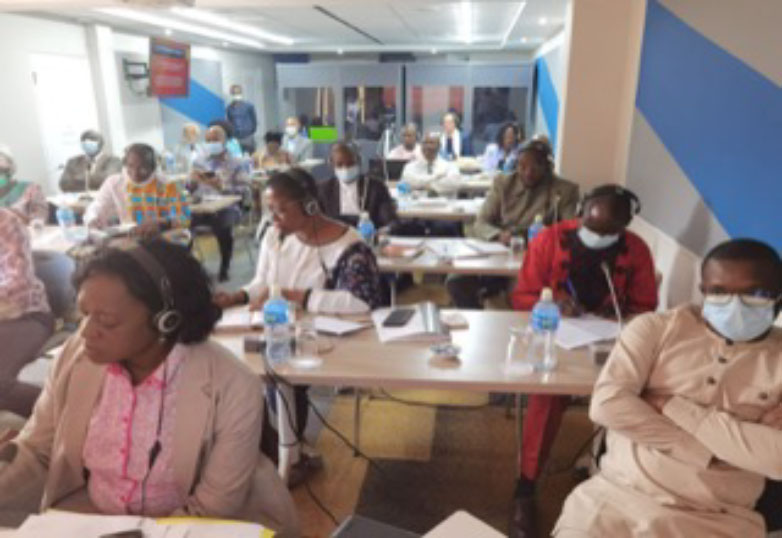
From 13-17 September 2021, the IJR and ITI held a learning visit for the new appointees of the Truth, Justice, Reparations and Reconciliation Commission (Commission Vérité, Justice, Réparations et Réconciliation, CVJRR) from the Central African Republic (CAR). The high-level delegation attended a workshop in Pretoria, which focused on sharing South Africa’s practical experiences on transitional justice, as well as lessons and insights applicable to the CAR Commission.

By |2024-05-21T12:23:14+02:0029th September 2021|Newsletter|

South Africans say corruption is getting worse, and reporting it poses a safety risk

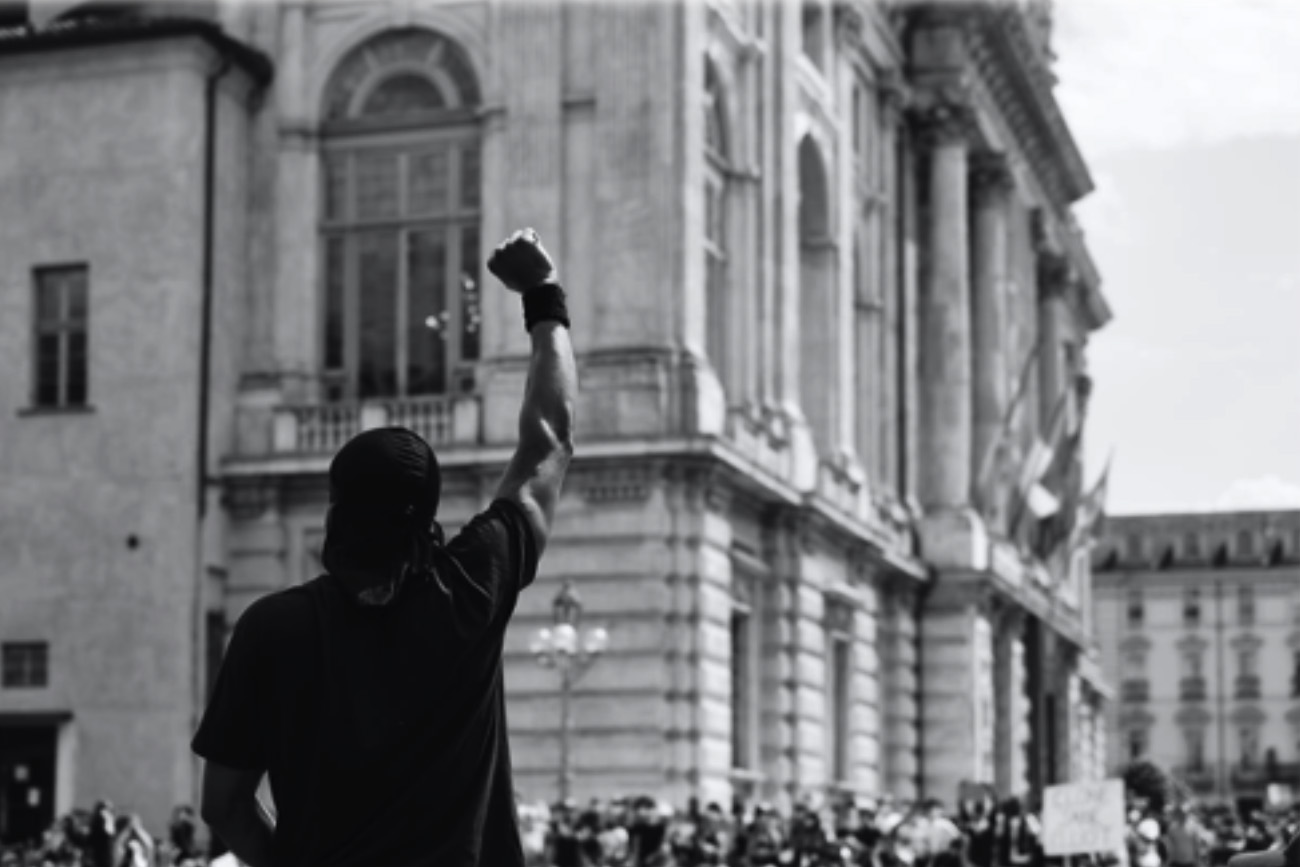
Perceptions of pervasive corruption in South Africa have dominated public discourse for much of the last decade. In its many forms, corruption undermines the effectiveness of the state, worsens the quality of public services, and ultimately erodes public trust. In South Africa, former President Jacob Zuma and some of his allies stand accused of state capture – the use of the state for personal interests that has crippled various compromised institutions.

By |2024-05-21T12:23:14+02:0029th September 2021|Newsletter|

Post-Covid Africa and Deepening Pan-Africanism

The African Union’s Agenda 2063 refers to pursuing “an integrated, prosperous and peaceful Africa, driven by its own citizens and representing a dynamic force in the international arena.” The devastating and wide-range effects of the Covid-19 pandemic has instigated a crisis that represents both a challenge and an opportunity for Africa to strive to realise its full potential in terms of consolidating peace and development, through the cultivating culture of Pan-African solidarity and self-determination. The disease does not discriminate against its victims on the basis of race, nationality, ethnicity, gender, culture religion or financial affluence, and it has fueled global pandemonium.

By |2024-05-21T12:23:15+02:002nd July 2021|Newsletter|

Digital inroads: IJR’s Gender Justice and Reconciliation Project –Gender based Violence Online Information Centre Project

The Institute for Justice and Reconciliation (IJR) through the Gender Justice and Reconciliation (GJR) project has undertaken to reimagine the role of the digital world in the fight against gender-based violence (GBV). The GBV Online Information Centre Project is a website programme that seeks to be an online information resource that engages three thematic points; access to information on legal rights, community engagement and psychosocial support education. Mainly an information repository, it seeks to provide a more integrated information resource required to address issues of GBV in communities, workplaces, families, universities and schools.

By |2024-05-21T12:23:16+02:002nd July 2021|Newsletter|

Sustained Dialogues Transitional Justice: How We Contribute to Building Fair, Inclusive and Democratic Societies

Very often when speaking to people about the work that I do, I am met with blank stares and a rather bemused, confused look on the part of the person asking the question.  I have been asked if what I do is a full-time job (yes it is!), if I work for government (no I don’t), and what, if any impact the work makes. 

By |2024-05-21T12:23:16+02:002nd July 2021|Newsletter|

Staff Support: Proactive Procrastination

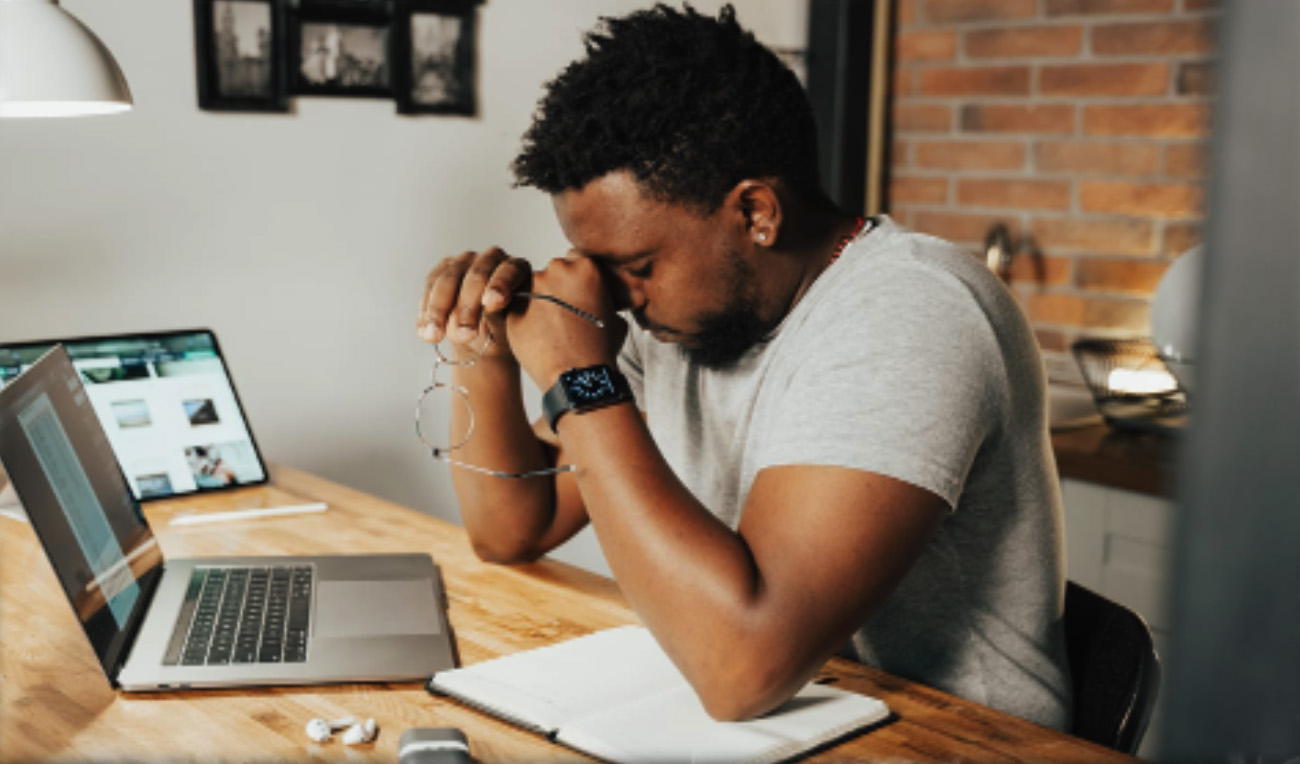
Many of us may be struggling with procrastination during the time in which we all find ourselves right now with the COVID-19 pandemic. What started off as an exciting chance to “go digital”, “go online”, “work from home”, etc. has begun to show signs of boredom, depression and procrastination brought on by the inability to move around freely outside of your residence. For some it’s been an opportunity to do the things we always wanted to do but now that that is all done we have become bored out of our minds. The result is that the things, we are supposed to be doing just don’t seem to get done. So, over the next few weeks I will be posting some of my ideas and suggestions on what I call Proactive Procrastination.

By |2024-05-21T12:23:16+02:002nd July 2021|Newsletter|

A Word from the Executive Director’s Office

2021 marks the implementation start of the IJR’s new strategic framework that will run until 2024. Our new framework endeavours to deepen our commitment to the organisation’s original vision of building fair, inclusive and democratic societies for Africa, through the alignment of cutting edge research, dialogue methodologies, capacity building interventions, and advocacy campaigns.

By |2024-05-21T12:23:16+02:001st April 2021|Newsletter|
Go to Top