Terrorism vs Freedom Fighting in Cameroon
By Kimal Harvey On Friday, the 25th of May 2018, [...]

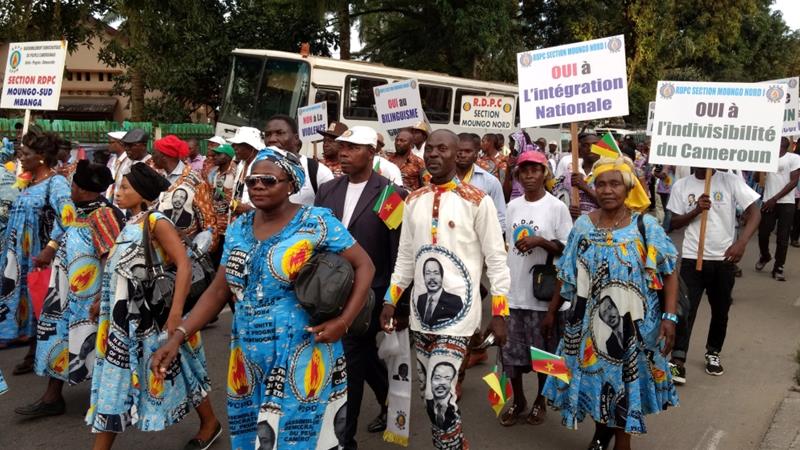
By Kimal Harvey On Friday, the 25th of May 2018, [...]
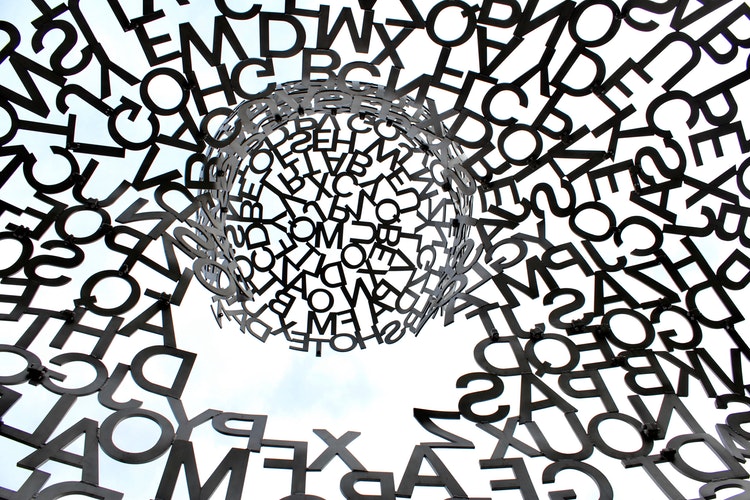
In the post-Apartheid apartheid dispensation, we speak the language of ‘’economic value’’, the language that, if spoken and written, grants you access to education and employment opportunities. While many have embarked on a journey of reclaiming indigenous languages through numerous ways and means, the language that remains the language of access and opportunity is that of the colonial tongue.

The historical record of the world has seen many cultural, ethnic and religious groups of people lost or destroyed by years of conquest, colonialism or plain genocide. This trend does not exclude Libya – we all know of the horrific acts committed by Muammar Gadaffi’s regime – however what has been largely unknown is the historical oppression of the indigenous Tebu group.

South Africa annually celebrates 27 April as Freedom Day, commemorating the first post-apartheid, non-racial and democratic elections held on 27 April 1994. Almost a quarter of a century later, and in the lead up to the 2019 national elections taking place next year, this is an opportune time to consider the status of democratic political culture in South Africa.

Coloured identity is fraught with ambiguity and often inhabits a shape-shifting shadow world, floating and flowing between arbitrary apartheid racial categories - an identity neither here nor there. The architects of apartheid officiated the term ‘Coloured’ as a derogatory label used to denigrate peoples of mixed ancestry.

Besides the ‘how many months are you’ question posed to pregnant women, there is the, ‘what gender is your baby’ concern. Imagine for a second that the response to the latter is, ‘it’s a boy’. What follows from there is a conversation on whether the mother is ready for the trouble that a boy brings. This has to be one of the simplest, subtle and yet ingrained ways in which patriarchy manifests and the reinforcement of gender roles triumphs.
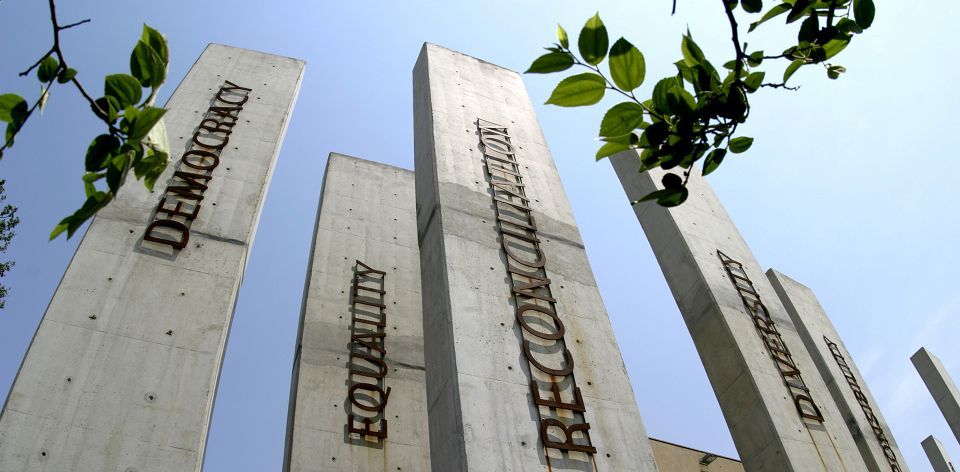
As South Africans celebrate the 27th April as the day that brought about political freedom for all citizens, there is value in asking: how free do South Africans feel 24 years later? Although Freedom Day commemorates universal political freedom, it is important to evaluate the economic context of freedom in questioning whether or not South Africans are free to live the lives they want to and whether different groups experience greater freedom than others?

Two African countries experienced a break-up this Valentine’s Day. Two resignations, that of President Jacob Zuma in South Africa and Ethiopian Prime Minister Hailemariam Desalegn. Ethiopia is at a tipping point, as anti-government protests and demonstrations have increased since late 2015, crippling the country and prompting alarm in the coalition government.
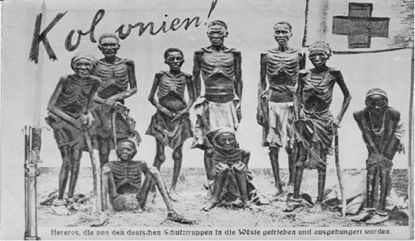
On 31st March 2007, the Namibian government constructed a memorial plaque in remembrance of the indigenous OvaHerero and Nama peoples. Kimal Daniel Harvey notes that this gross discrimination towards Africa and its people must end; otherwise this perpetrates the legacy of the multiple crimes against humanity that were committed on the African continent
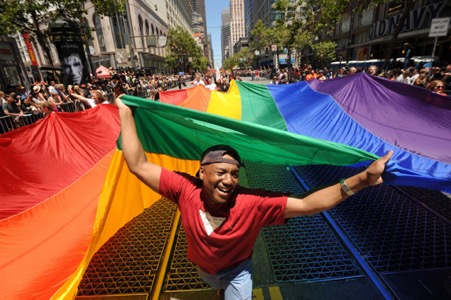
The lived reality of queers is one that remains of great concern, many have argued that the constitutional developments of early democracy resulted in advances in protecting the LGBTQIA+ community in SA. Writes Jodi Williams, stating that our failure to intensify the fight against deep-seated homophobia will have detrimental consequences for the future of queers.